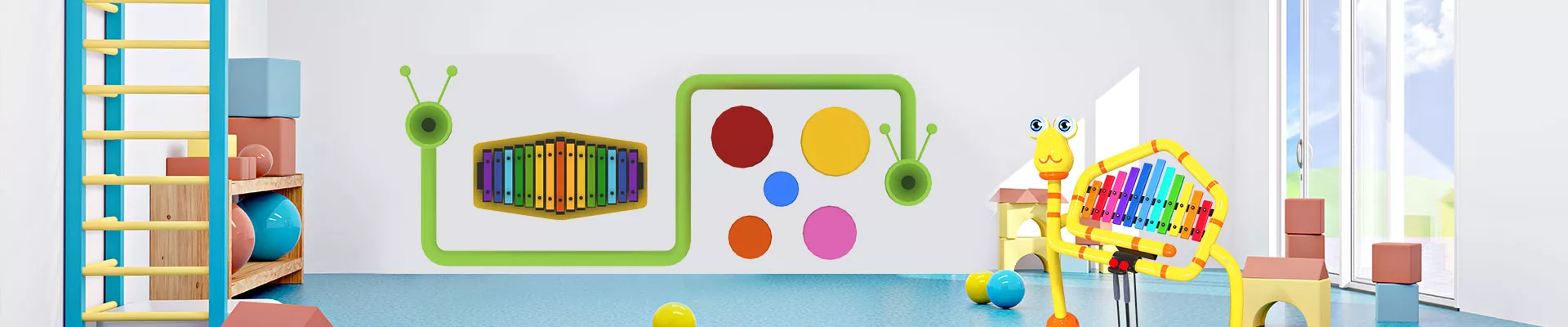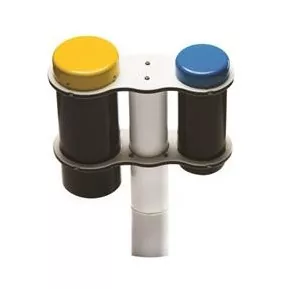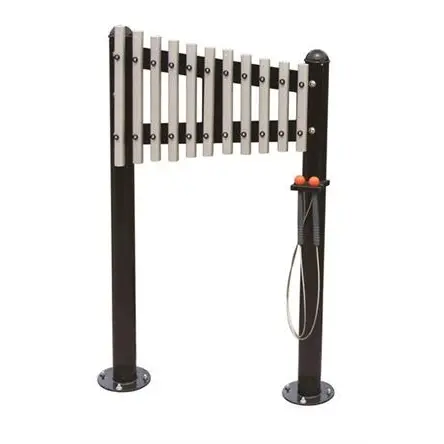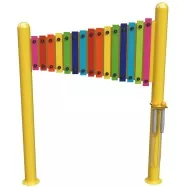
Summary: The Outdoor Trilophone is an engaging musical play feature designed for parks, schools, and community spaces. This article explores its benefits, design considerations, safety aspects, installation tips, and maintenance recommendations to help decision-makers choose the best solution for their recreational environment.
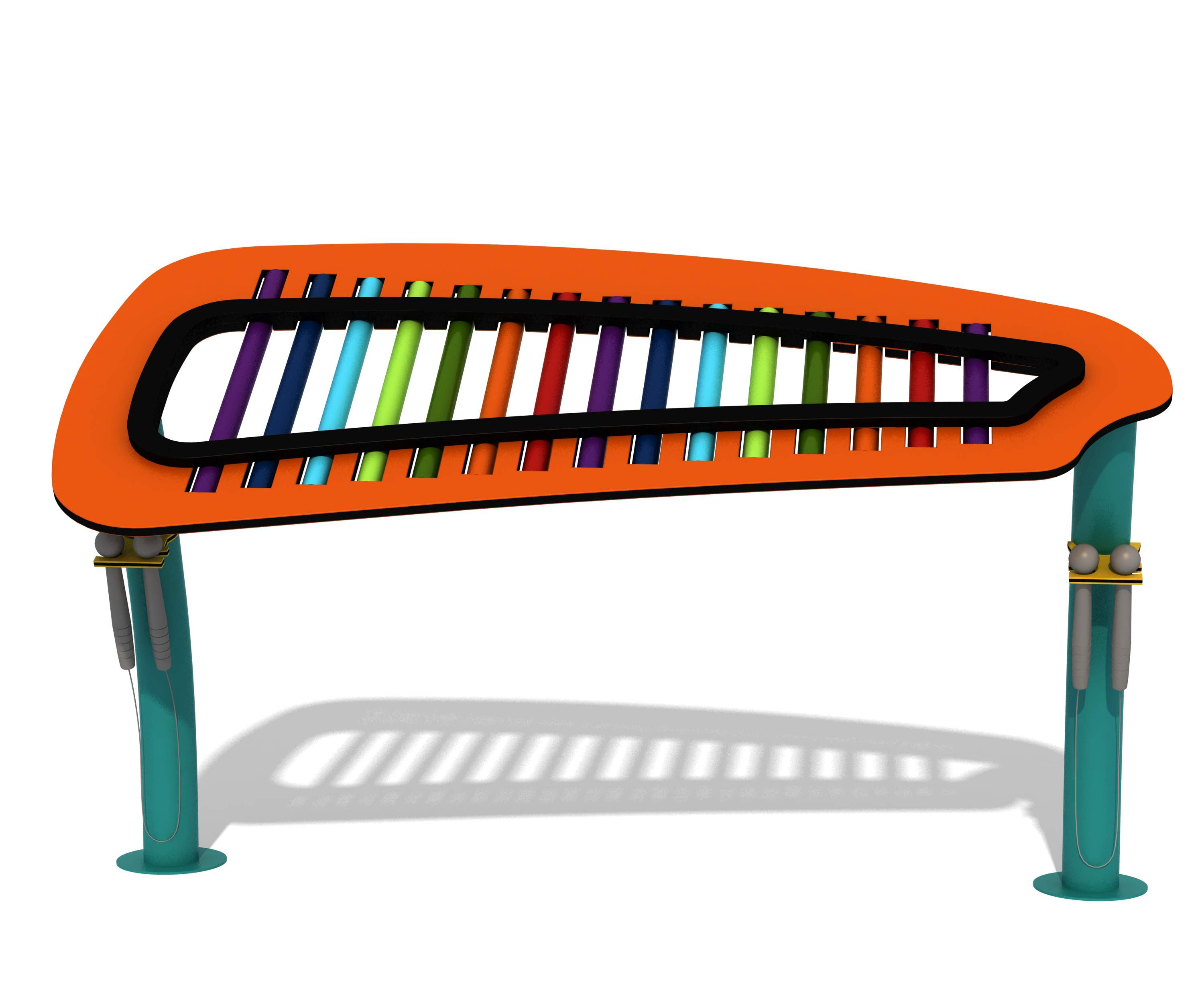
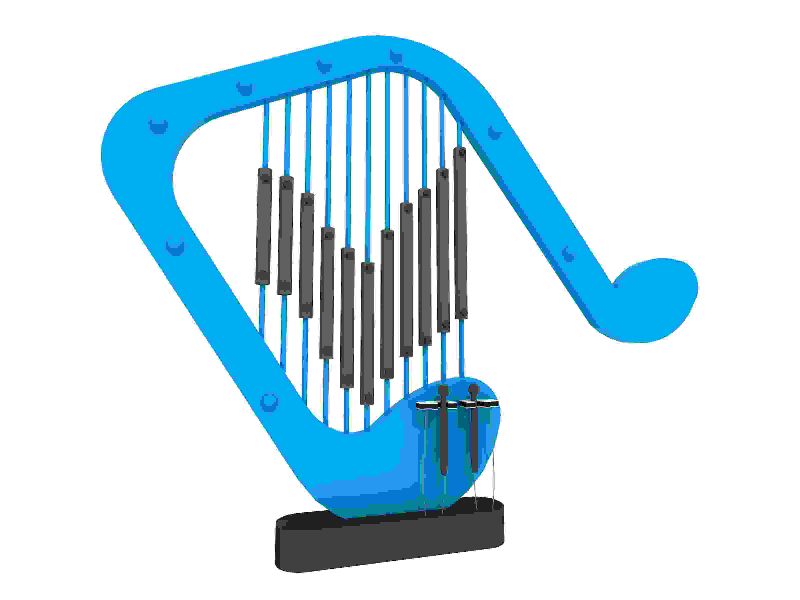
Outdoor play equipment that combines creativity, learning, and physical activity is increasingly sought after in modern playground design. Among these options, the Outdoor Trilophone stands out as a musical instrument that engages children and adults alike. It consists of a set of tuned metal chimes or tubes that produce harmonious sounds when struck, encouraging exploration through sound and movement.
Unlike traditional static equipment, an Outdoor Trilophone invites interaction from every angle, encouraging social play and cognitive engagement. As communities invest in inclusive and experiential play spaces, understanding how an outdoor musical instrument fits into that vision is essential.
The decision to include an Outdoor Trilophone in a play space stems from the desire to offer more than conventional slides and swings. It adds:
Playgrounds today are evolving into environments that support diverse developmental needs. A Trilophone complements physical play by adding a layer of sensory and artistic experience.
Integrating an Outdoor Trilophone brings measurable benefits in several areas:
| Category | Benefit |
|---|---|
| Physical Development | Encourages gross motor activity and hand-eye coordination as children strike the chimes with mallets or hands. |
| Cognitive Skills | Supports pattern recognition, auditory discrimination, and imaginative play. |
| Social Interaction | Facilitates cooperative play and shared musical experimentation. |
| Emotional Expression | Offers an outlet for creative self-expression and stress relief. |
These benefits align with broader goals for public and educational spaces seeking to nurture well-rounded development in children. The inclusive nature of musical play allows children with varying abilities to participate equally.
An Outdoor Trilophone must be designed to withstand outdoor conditions while satisfying aesthetic and functional requirements. Key design elements include:
Choosing materials that balance acoustics and resilience is critical. For example, aluminum alloy tubes are popular because they offer vibrant sound while resisting rust. Additionally, color coatings or finishes can enhance visibility and integrate with other playground themes.
Proper placement ensures that the Outdoor Trilophone is both safe and effective. Consider these guidelines when planning its location:
Considering safety early in the design phase helps avoid costly rework and ensures a welcoming environment for all users. Additionally, making the feature accessible to wheelchair users enhances inclusivity.
Installing an Outdoor Trilophone involves several practical steps that can impact its performance over time:
Well-installed equipment is less likely to require frequent repairs, ensuring longevity and consistent enjoyment by users.
To preserve performance and safety, periodic maintenance is essential. Recommended practices include:
Routine maintenance not only prolongs the lifespan of the equipment but also maintains a positive user experience.
Q1: What age group is the Outdoor Trilophone suitable for?
A1: Most Outdoor Trilophone designs are suitable for children aged 2 and up, but height-adjustable or multiple-height models accommodate a wider age and ability range.
Q2: Can the Trilophone be customized?
A2: Yes. Customization options include choice of colors, number of chimes, and frame design to match existing playground themes.
Q3: How do materials affect sound quality?
A3: Sound quality depends on the tuning precision, tube material, and thickness. High-grade aluminum and stainless steel are common choices for clear, resonant tones.
Q4: Is professional installation required?
A4: While some installations can be completed by experienced personnel, professional installation is recommended to ensure safety and proper tuning.
Q5: How often should maintenance be performed?
A5: Inspect the equipment monthly in high-use areas and at least quarterly in lower-use settings. Seasonal checks before and after extreme weather events are also advisable.
The Outdoor Trilophone is a valuable addition to any community space, offering educational, physical, and social benefits while enhancing play experiences with sound and creativity. Thoughtful design, strategic placement, and regular maintenance ensure long-term value and enjoyment for users of all ages.
If you’re considering adding an Outdoor Trilophone to your park, school, or recreational space, Wenzhou Hank Amusement Equipment Co., Ltd. provides reliable solutions designed for durability and engagement. Contact us today to explore customization options and get expert support for your project.