
Abstract
Rhythm sits at the very core of how humans perceive music, language, and movement. This article explores Rhythm Elf, a concept and interactive toolset that reshapes how learners of all ages develop rhythmic timing, auditory-motor synchronization, and cognitive flexibility. Drawing from current research on rhythmic training and educational game design, the discussion covers what makes Rhythm Elf distinctive, how it supports skill development, practical implementation strategies, and answers to common questions — all without touching on financial metrics or investment angles.
Table of Contents
- What Exactly Is Rhythm Elf and Where Did the Concept Originate?
- How Does Rhythm Elf Align with Modern Rhythm Science?
- What Core Features Define the Rhythm Elf Experience?
- Where Can Rhythm Elf Be Applied Effectively?
- How to Introduce Rhythm Elf into a Learning Environment
- Rhythm Elf Compared with Conventional Rhythm Training Methods
- Frequently Asked Questions
What Exactly Is Rhythm Elf and Where Did the Concept Originate?
At its essence, Rhythm Elf represents a playful yet purposeful approach to rhythm development. The concept merges the engaging appeal of a friendly, elf-inspired character with structured rhythmic exercises, creating a bridge between entertainment and genuine skill acquisition. Rather than relying on dry metronome drills alone, the framework embeds rhythmic challenges into interactive scenarios that feel more like play than practice.
The origin story is rooted in a simple observation: learners — particularly young ones — respond far more enthusiastically to rhythm activities when there is a narrative or character to follow. A metronome beeps. An elf invites you to match its steps, echo its claps, and anticipate its patterns. That shift from mechanical to relational changes the entire learning dynamic.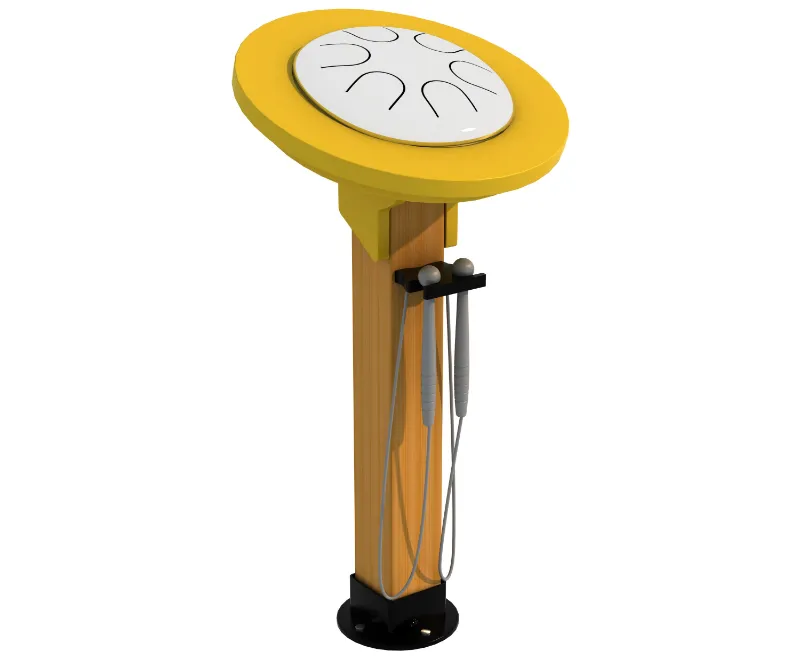
From Classroom Curiosity to Structured Framework
Educators working in early childhood music programmes began noticing that rhythm games featuring character-driven prompts held attention longer than traditional counting exercises. Over time, these observations crystallised into a more deliberate design philosophy: build rhythm competency through curiosity, repetition without monotony, and immediate sensory feedback.
- Character-driven prompts sustain engagement far longer than neutral instructions.
- Immediate audio-visual feedback reinforces correct timing without frustration.
- Progressive difficulty ensures learners stay in the optimal challenge zone.
- Multi-sensory design accommodates visual, auditory, and kinesthetic learners alike.
How Does Rhythm Elf Align with Modern Rhythm Science?
The scientific literature on rhythmic training has expanded considerably in recent years. Studies consistently point to the value of rhythmic engagement for cognitive development across multiple domains. When learners tap, clap, or step in time to a rhythmic cue, they are exercising far more than their sense of timing.
Research indicates that rhythm-based interventions can positively influence reading fluency, phonological awareness, and aspects of executive function. A systematic review examining rhythmic training and executive function found that movement synchronised to rhythm places demands on shared neural networks supporting both motor timing and cognitive control. The same review, while noting the need for further study, highlighted the potential of rhythm training as a versatile tool for supporting language and reading development in children.
Cognitive Domains Touched by Rhythmic Engagement
- Working memory: Remembering and reproducing rhythmic sequences exercises short-term retention.
- Phonological processing: Rhythm and syllable awareness are deeply intertwined.
- Attention regulation: Anticipating the next beat requires sustained focus.
- Auditory-motor coordination: Matching movement to sound builds sensorimotor integration.
The design of Rhythm Elf deliberately embeds these cognitive demands within activities that feel accessible and encouraging. Rather than presenting rhythm as a test to be passed, the experience frames it as a collaborative exchange between the learner and the character.
What Core Features Define the Rhythm Elf Experience?
Understanding what sets this approach apart requires looking at the specific design choices that shape the learner's journey. Each feature serves a distinct purpose, and together they form a coherent system for rhythm development.
Adaptive Difficulty Progression
The system responds to the learner's performance in real time, adjusting tempo, pattern complexity, and the interval between cues. A beginner might start with simple quarter-note patterns at a relaxed pace, while an advanced learner encounters syncopation, polyrhythms, and rapid tempo shifts. This adaptivity keeps the experience appropriately challenging without becoming discouraging.
Multi-Sensory Feedback Loops
Visual, auditory, and tactile cues work together. When the learner matches a rhythm correctly, the character responds with a positive animation and a musical reward. When timing drifts, the feedback is gentle — a slight dimming of the visual cue, a softened tone — signalling adjustment without punishment.
Narrative Context
Each rhythmic challenge is embedded in a light narrative framework. The learner is not simply tapping to a beat; they are helping the character navigate a musical landscape, unlocking new patterns and environments as their skills grow. This contextual grounding transforms repetition into progression.
| Feature | What It Does | Learner Benefit |
|---|---|---|
| Adaptive Tempo | Adjusts speed based on performance accuracy | Maintains optimal challenge zone |
| Character Feedback | Provides immediate visual and audio responses | Reinforces correct timing naturally |
| Pattern Library | Offers a broad range of rhythmic sequences | Builds pattern recognition and flexibility |
| Session Summary | Shows timing accuracy and pattern mastery | Encourages self-directed improvement |
Where Can the Rhythm Elf Approach Be Applied Effectively?
One of the strengths of this framework is its adaptability across learning contexts. It does not presume a particular instrument, classroom setup, or age group. Instead, the core principles translate fluidly into diverse environments.
Early Childhood Music Education
For young learners, rhythmic play is foundational. Before a child can read notation or execute complex instrumental techniques, they benefit enormously from experiencing beat, tempo, and pattern in their bodies. The character-driven format of Rhythm Elf makes this accessible without requiring formal instruction.
Instrumental Practice Warm-Ups
Musicians of all levels can use rhythmic training as a warm-up ritual. Five to ten minutes of focused rhythmic engagement before practice sharpens timing and primes the auditory-motor system for the work ahead. The playful framing reduces the pressure that often accompanies technical drills.
Language and Literacy Support
Given the documented links between rhythmic ability and phonological processing, rhythm activities can serve as a complementary support for language learners and children developing reading skills. The rhythmic patterns in speech — stress, timing, phrasing — are the same patterns exercised in musical rhythm training.
Classroom Rhythm Breaks
Teachers can deploy short rhythmic sessions as cognitive resets between academic subjects. A three-minute rhythm activity can restore focus and introduce a moment of structured movement that benefits attention and mood alike.
How to Introduce Rhythm Elf into a Learning Environment
Rolling out a new approach requires thoughtfulness. The following steps offer a practical path for educators, parents, or practitioners who want to integrate this rhythm framework smoothly.
- Begin with short sessions. Ten minutes is ample for initial exposure. Consistency matters more than duration.
- Frame it as play, not assessment. Avoid language that implies testing or performance evaluation.
- Model participation. Learners mirror adult enthusiasm. If the facilitator is engaged, the learner follows.
- Observe without interrupting. Let the feedback system do its work. Resist the urge to correct in real time.
- Celebrate progress, not perfection. Highlight improvements in timing, pattern recognition, or sustained focus.
- Gradually increase complexity. Allow the adaptive system to guide progression rather than imposing external benchmarks.
For those exploring specific tools and resources, Hanke provides dedicated solutions in this space. Detailed product information and customisation options are available by reaching out — contact us to discuss how rhythm-focused learning can be tailored to your context.
Rhythm Elf Compared with Conventional Rhythm Training Methods
Traditional rhythm training often centres on metronome work, counting exercises, and notation drills. These methods have value, but they can feel repetitive and disconnected from the musical experience for many learners. The table below outlines the practical differences.
| Dimension | Conventional Metronome Training | Character-Driven Rhythm Approach |
|---|---|---|
| Motivation Source | External discipline | Narrative engagement and curiosity |
| Feedback Style | Binary — correct or incorrect | Graduated, encouraging, multi-sensory |
| Difficulty Adjustment | Manual, often static | Adaptive, responsive to learner performance |
| Skill Transfer | Narrow — timing accuracy | Broad — timing, attention, pattern recognition, coordination |
| Accessibility | Requires some musical literacy | Intuitive entry point for all ages |
The comparison is not meant to dismiss traditional methods. Rather, it highlights how a character-driven framework can complement existing practice by addressing the engagement gap that often limits consistency. When learners look forward to rhythm practice, they practise more — and more practice, delivered in an appropriately designed format, produces better outcomes.
Frequently Asked Questions
What age group is the Rhythm Elf framework designed for?
The framework scales across ages. Early childhood learners engage through character interaction and simple patterns, while older learners and adults benefit from the adaptive difficulty, complex pattern libraries, and timing precision challenges. The core design principle — engagement through character and feedback — translates effectively from age three upward.
Do I need formal musical training to use it?
No. The framework is built to be accessible without prior musical knowledge. Learners interact through intuitive visual and auditory cues. Musical literacy develops naturally through exposure, not prerequisite study.
How often should rhythmic practice sessions occur?
Short, frequent sessions tend to be more effective than long, occasional ones. Three to five brief sessions per week, each lasting five to fifteen minutes, provide sufficient stimulus for steady improvement without fatigue or diminishing attention.
Can this approach support learners with attention difficulties?
Research on gamified rhythmic training has explored applications for children with ADHD and other neurodevelopmental profiles. The immediate feedback, clear structure, and engaging character interaction can be particularly supportive for learners who benefit from high-engagement, low-pressure formats. Individual results vary, and the framework is best used as a complement to professional guidance where appropriate.
Is there a recommended progression path?
The adaptive system handles progression automatically. Learners begin with simple patterns at comfortable tempos and advance as accuracy and consistency improve. External benchmarks are unnecessary; the system responds to demonstrated readiness rather than predetermined timelines.
Ready to Explore Rhythm Elf for Your Context?
Whether you are an educator, a parent, or a practitioner in music and cognitive development, the rhythm tools and resources available through Hanke can be tailored to your specific needs. Reach out to discuss customisation, implementation guidance, or general questions.
contact us